Author name: Real Money Habits Research Desk

The Real Money Habits Research Desk digs into the data, studies, and statistics behind personal finance topics. Our research-driven articles help everyday people worldwide understand the numbers behind smart money decisions — from investment returns to debt payoff strategies.

Debt and Credit

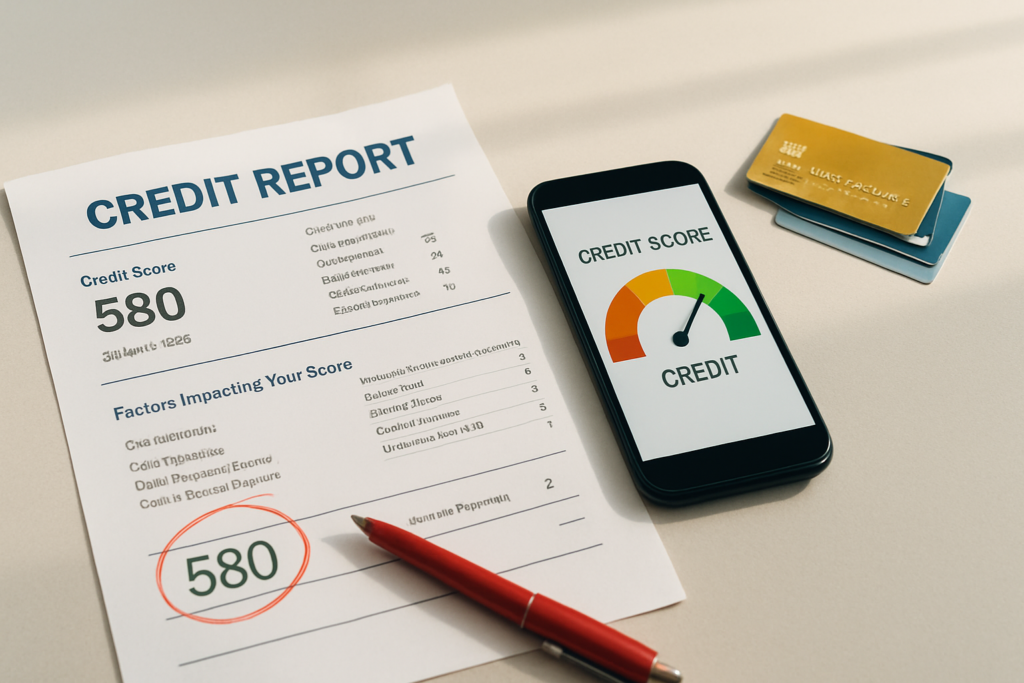
How Much More Does a 620 Credit Score Cost vs a 760 on a $300,000 Mortgage Over 30 Years?

A 760 credit score and a 620 credit score can both get approved for a $300,000 mortgage in today's market. The difference is what you pay for it. At current rates, the gap between a 760 and a 620 score on a 30-year fixed mortgage translates to roughly $469 more per month — and $168,000 more in total payments over the life of the loan. That's not a rounding error. It's a second mortgage on a small house. Here's the full breakdown by loan size, plus the 18-month roadmap to move from 620 to 700+.

Debt and Credit

What Does Making Only Minimum Payments on $8,000 of Credit Card Debt at 22% APR Actually Cost You?

Most Americans making minimum payments on credit card debt don't realize they're signing up for a 25-year repayment schedule that will cost them $12,000+ in interest on an $8,000 balance. The minimum payment on $8,000 at 22% APR starts at $160 per month — barely covering the interest. Here's the exact math, the true timeline, and what paying just $100 more per month actually saves you.

Debt and Credit

Is a 15-Year Mortgage Worth It If the Payment Is $500/Month More Than a 30-Year on a $300,000 Home?

A 15-year mortgage on a $300,000 home saves roughly $185,000 in total interest compared to a 30-year. Sounds like a no-brainer. But if you invest the $500 monthly difference in index funds instead, you can end up with more total wealth at the end of 30 years than the person who chose the 15-year. Here's the exact math — and who should actually choose which option.

Scroll to Top