Retirement

Begin preparing now for your later years – its never too soon!

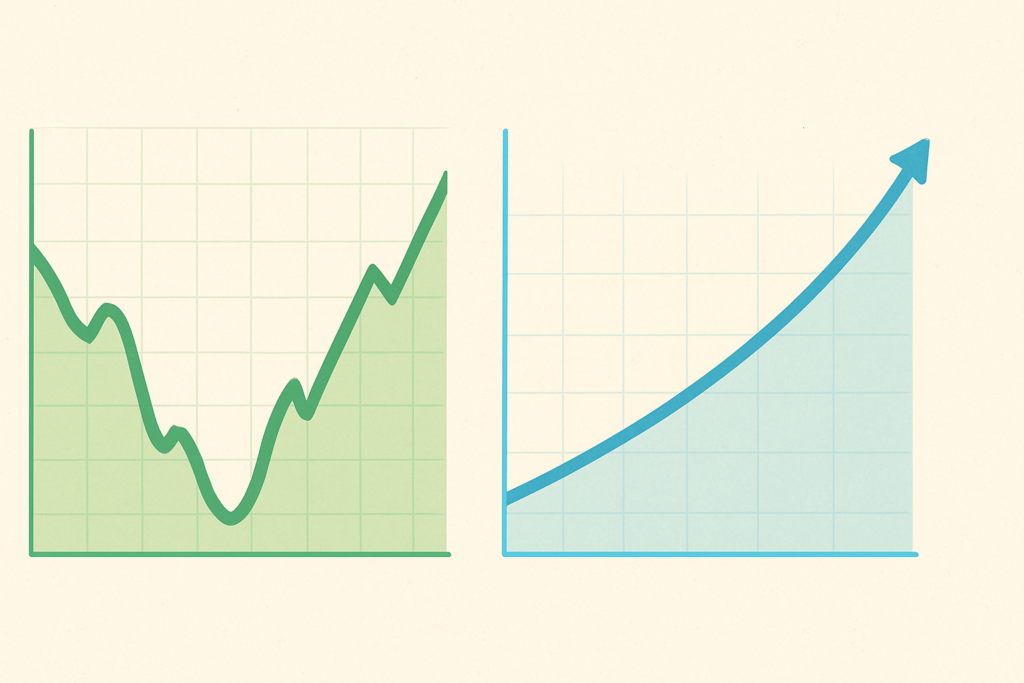
Wide horizontal abstract conceptual editorial illustration for a Roth IRA conversion article — a clean, modern graphic c
Retirement

Does a Stock Market Drop Create a Good Opportunity to Do a Roth Conversion on a $300,000 IRA?

A market downturn feels like pure bad news for IRA investors — but if you’re thinking about converting traditional IRA money to a Roth, falling prices actually create a genuine opportunity. You pay taxes on depressed values now, and all the recovery happens inside the Roth tax-free. Here’s the real math on a $300,000 IRA, who this strategy makes sense for, the IRMAA trap to avoid, and exactly how to execute it before the market bounces back.


Wide horizontal editorial photo, warm natural morning light streaming through a large kitchen window. A man and woman bo
Retirement

Should a 55-Year-Old in the 22 Percent Tax Bracket Open a Roth IRA or Traditional IRA?

At 55, the Roth IRA versus Traditional IRA decision has consequences that stretch 30 years into the future. Most people in the 22 percent tax bracket choose wrong because they focus on the current-year deduction and ignore required minimum distributions, IRMAA Medicare surcharges, and the tax flexibility a Roth balance gives you in retirement. Here is the honest math on which account wins at 55.

wide horizontal editorial photo, DISTANT OR SILHOUETTED PEOPLE style, a man and woman in their early 60s shown from behi
Retirement

The SECURE 2.0 Super Catch-Up: How Much More Can You Put in Your 401k at Ages 60 to 63?

Most people know about the standard 401(k) catch-up contribution after age 50. Fewer people know that SECURE 2.0 created a higher "super catch-up" limit exclusively for ages 60, 61, 62, and 63 — and that it drops back down at 64. This explains what the super catch-up actually allows, what it means in real dollar terms over a four-year window, whether your plan has adopted it, and how to use this last pre-retirement sprint to close the gap before you stop contributing entirely.

wide horizontal editorial photo, OBJECTS/FLAT-LAY style, a financial emergency decision scene spread across a broad wood
Retirement

Should I Take a 401(k) Loan or Early Withdrawal for a $15,000 Emergency?

When a $15,000 emergency hits and your 401(k) looks like the only option, the difference between taking a loan and taking an early withdrawal is the difference between a $0 tax bill and a $4,800 check written to the IRS on the spot — before you lose the future compound growth on that money. This breakdown runs the real math on both options, explains the hidden risk with 401(k) loans that most articles skip, covers the new SECURE 2.0 emergency withdrawal exception, and lays out what to try before touching your retirement account at all.

Scroll to Top