📅
Daily Articles
Fresh financial advice published every morning
💡
Practical Tips
Real advice you can put to work today
🌍
Worldwide Readers
Trusted by readers around the globe
🔒
Always Free
No paywalls — 100% free forever
Saving Money

How to Set Up Sinking Funds on a $55,000 Salary So You Never Have to Put a Car Repair or Vacation on a Credit Card Again

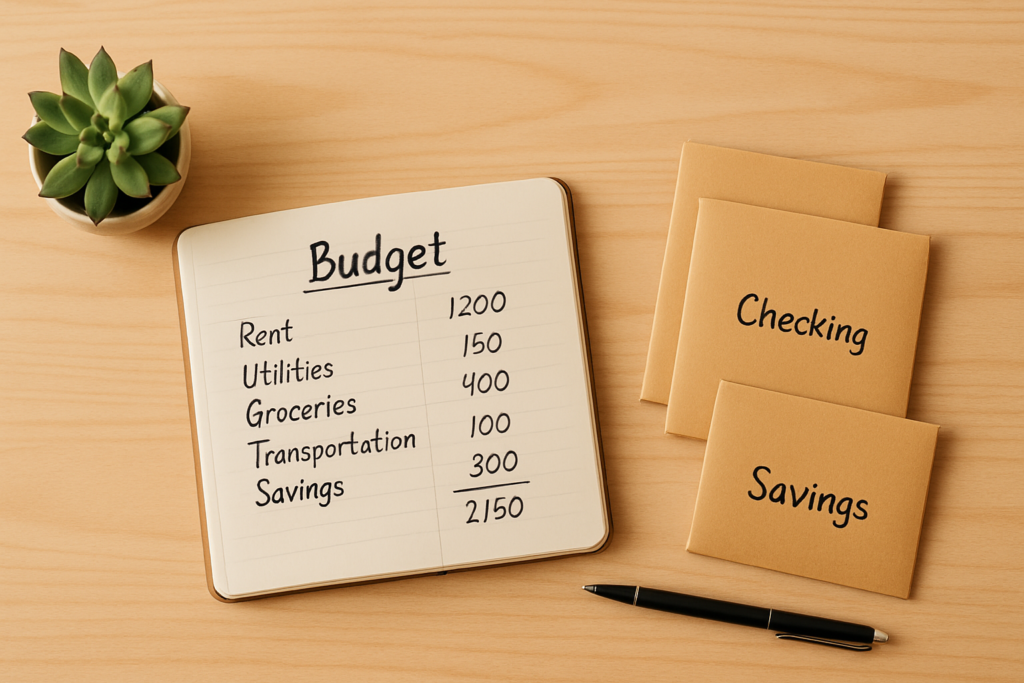
The average American with a $55,000 salary pays roughly $300-400 per year in credit card interest on expenses they should have seen coming: car repairs, holiday gifts, a vacation they planned six months out. These aren’t emergencies — they’re predictable. Sinking funds are savings accounts you feed monthly so that when a $900 tire replacement or a $1,200 Christmas gift budget arrives, you pay cash. At a $55,000 salary, $490 per month across six targeted sinking funds covers the most common budget-wrecking expenses — here’s exactly how to set them up.

Debt and Credit

Should I Refinance My $45,000 in Federal Student Loans at 6.8% to a Private Loan at 5.2%? The Interest Savings vs What You Permanently Give Up in 2026

Refinancing $45,000 in federal student loans from 6.8% to a private rate of 5.2% saves $4,969 in interest over 10 years — about $41 per month. What it costs you: income-driven repayment protection, Public Service Loan Forgiveness eligibility, death and disability discharge, and access to any future federal forgiveness programs. Whether those $4,969 in savings are worth surrendering those protections depends entirely on your employment situation, income stability, and career path. For many borrowers, the answer is no.

Debt and Credit

How Much Can You Earn While Collecting Social Security at 62 or 63 Before Benefits Are Withheld? The 2026 Earnings Limit and What Happens to the Money They Take Back

The Social Security earnings test is one of the most misunderstood rules in American retirement planning. If you claim benefits before your Full Retirement Age and continue working, Social Security can withhold a portion of your benefits if your wages exceed $22,320 in 2025. The critical word is "withhold" — not "lose." The money withheld is added back to your benefit calculation after you reach Full Retirement Age, raising your monthly benefit permanently. Whether the earnings test matters to your situation depends entirely on what type of income you have — wages trigger it, investment income and retirement account withdrawals don’t.

Getting Started

What Should You Do With a $10,000 Tax Refund If You Still Have Credit Card Debt and No Emergency Fund? The Priority Order That Actually Makes Financial Sense

A $10,000 tax refund hits your bank account and you have two urgent problems: credit card debt charging you 22-27% interest, and zero emergency savings. Both feel like the right place for the money. Most financial advice tells you to pay the high-interest debt first — and that advice is mostly right, but there’s one step that belongs before it. Getting the priority order right on a windfall like this can change your financial trajectory more than almost any other single decision. Here’s the exact framework, the math behind it, and the one exception that changes everything.

Debt and Credit

How Much More Does a 5-Year Car Loan Cost at a 620 vs 750 Credit Score on a $35,000 Vehicle? The Monthly Payment Difference and Total Interest Gap in 2025

The average new car transaction price in the US is hovering near $48,000. Most buyers finance. And the single biggest factor determining what that financing costs — bigger than which bank you use, bigger than how long you negotiate on the purchase price — is your credit score. On a $35,000 car loan with a 5-year term, a 620 credit score results in approximately $2,627 more in total interest than a 750 score. Drop into the subprime tier below 600, and that gap widens to over $6,000. The monthly payment difference looks small. The total cost difference does not.

Investing

What’s the Difference Between Fidelity Freedom 2040 (0.75%) and Fidelity Freedom Index 2040 (0.12%) — and Why It Costs You $34,000 Over 25 Years on a $50,000 Balance

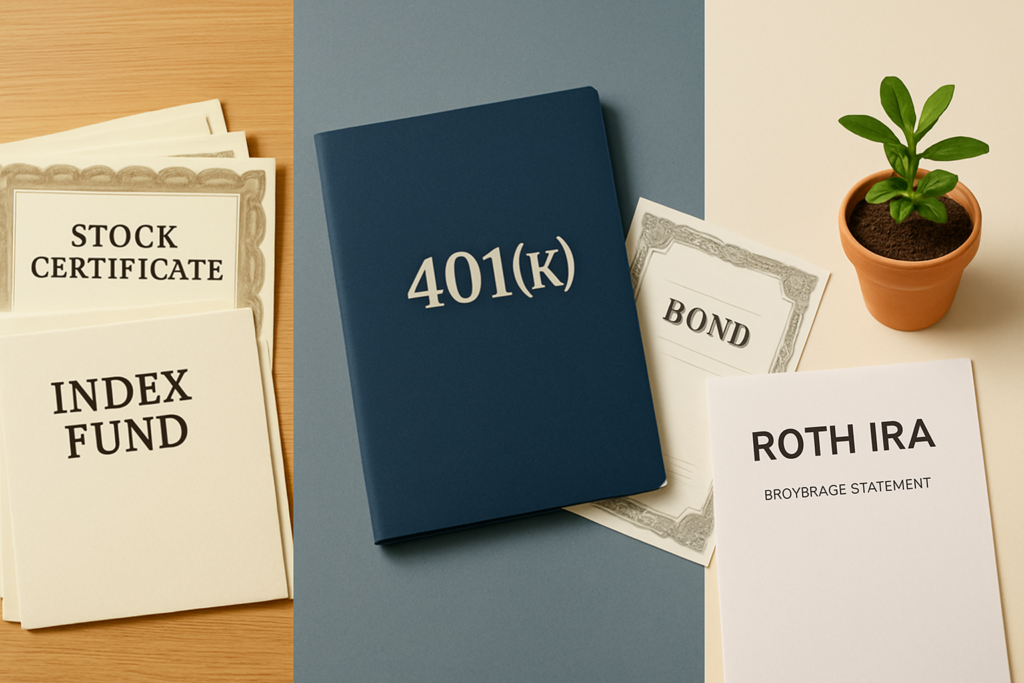
Millions of Americans have two nearly identical target date funds sitting in their 401k menu and don’t realize they’re different products. Fidelity Freedom 2040 is actively managed at 0.75% expense ratio. Fidelity Freedom Index 2040 holds the same calendar countdown to retirement but uses index funds at 0.12%. The underlying market exposure is similar. The long-term cost difference on a $50,000 balance over 25 years is approximately $34,000 in lost wealth — before accounting for ongoing contributions. The good news: if both are in your 401k, switching takes about three minutes.

Getting Started

HSA or FSA: Which Should You Choose at Open Enrollment If You’re 35, Generally Healthy, and Your Employer Offers Both an HDHP and a PPO?

Open enrollment is the single most consequential financial decision most employees make each year — and the average American spends less than 20 minutes on it. The HSA vs FSA choice isn’t just about which account to use for Tylenol and contact lenses. For a healthy 35-year-old, pairing an HSA with a high-deductible health plan can mean $3,000-$4,000 more in tax-advantaged savings per year compared to a PPO with an FSA — plus the HSA balance rolls over forever, compounds tax-free if invested, and can be used for anything after age 65. The FSA has real advantages too, but they apply to a specific profile. Here’s the full comparison with actual numbers.

Investing

Are I-Bonds Still Worth Buying in 2025 When Your High-Yield Savings Account Pays 4.5%? The After-Tax Math on $10,000

Series I savings bonds had a legendary run when inflation spiked in 2022 — the composite rate hit 9.62% for six months, and everyone was talking about I-Bonds. In 2025, the rate has settled to approximately 3.1%-3.5%, and online high-yield savings accounts are offering 4.2%-4.8% APY with zero lock-up period. On the surface, HYSA wins. But the real comparison requires after-tax math — I-Bonds are exempt from state and local income taxes, and for someone in California or New York, that exemption meaningfully closes the gap. Here is the complete comparison with real numbers, the four scenarios where I-Bonds still win in 2025, and the four scenarios where the HYSA is clearly the better choice.

Debt and Credit

Is Debt Settlement Worth It? How Settling a $12,000 Credit Card Debt for Less Damages Your Credit Score for 7 Years — and What the Tax Bill Looks Like

Settling a $12,000 credit card debt for $6,000 sounds like a $6,000 win. The actual math is more complicated. The IRS considers the forgiven $6,000 taxable income, adding $1,320 in federal taxes at a 22% rate. A settlement company charges 15-25% of the enrolled balance ($1,800-$3,000 in fees). Your credit score sustains significant damage starting the day you stop making payments — damage that sits on your report for 7 years. And the settled account shows "settled for less than full amount," not "paid in full," which affects future mortgage approvals and rental applications for years afterward. Sometimes settlement is still the right call. Here's when it is and when it isn't.

Budgeting

What Are the Most Important Financial Moves to Make Before December 31 on a $75,000 Salary? A Year-End Checklist for People Still Building Wealth

Most year-end financial checklists are written for people who have already won — maxing every account, holding a taxable brokerage, running a business, and executing Roth conversions with surgical precision. This one is for the $75,000 earner who's still building: checking whether the 401k got the employer match, catching the FSA before it disappears, deciding if the Roth IRA contribution deadline matters for this year, and understanding which of these December 31 deadlines are hard stops versus which ones can wait until April. There are seven moves worth checking before the year ends. Some of them take five minutes. One of them expires at midnight on December 31.

Scroll to Top